
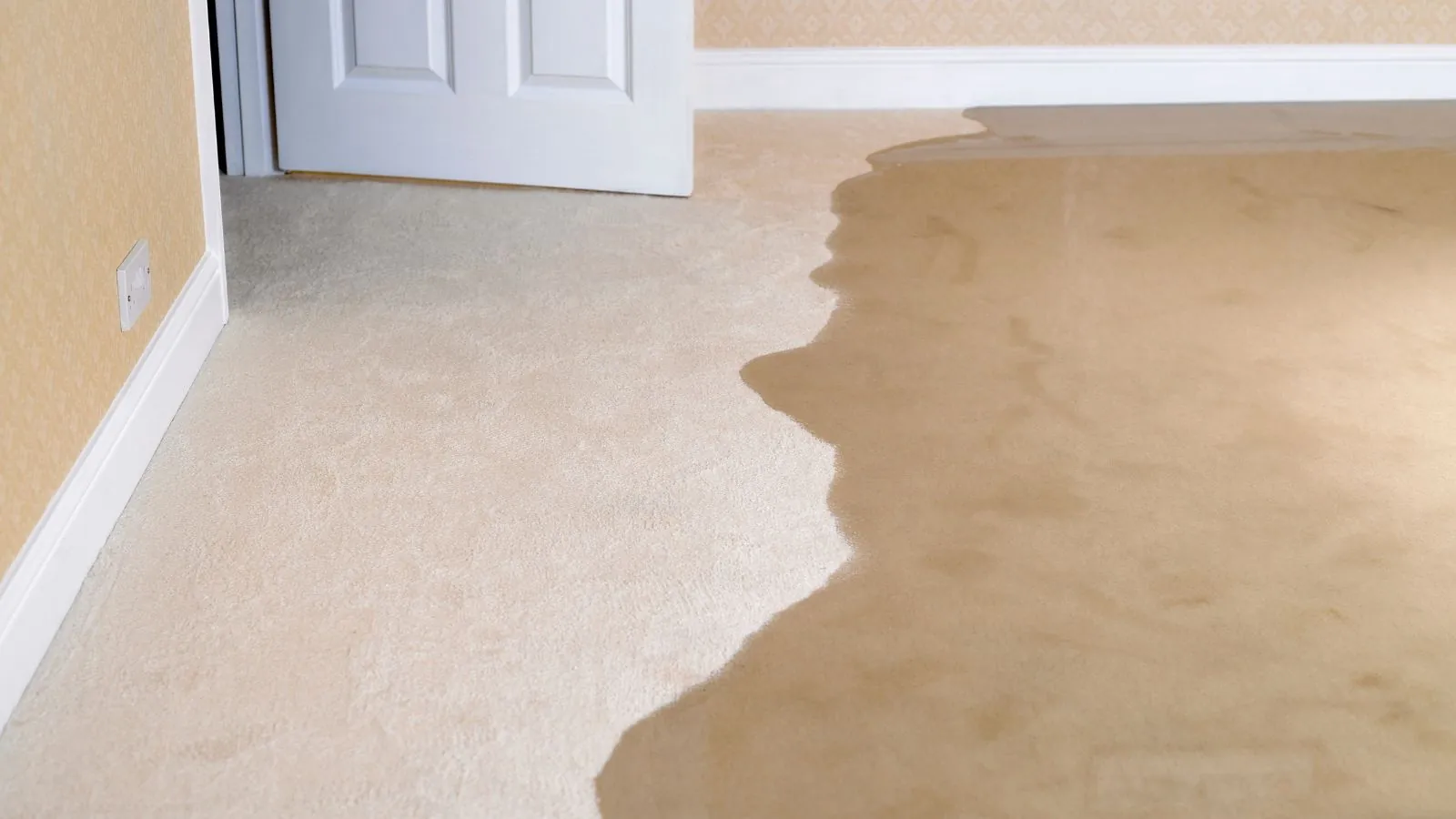
A leak from above soaks the sofa. A flooded room reaches the bottom of the bed. The next question is always whether the item can be saved. Mattresses and upholstered furniture are porous, thick and slow to dry, so the decision is not as simple as running a fan.
This guide explains the two things that decide the answer, which are the kind of water and the time, and gives a way to sort your belongings. It is general information and each item is judged on its own.
Water already inside? Call the 24/7 line.
Call (833) 521-1033Two questions decide almost everything
The first question is what kind of water it was. Clean water from a supply line behaves very differently from gray water from a washer or dishwasher drain, and both differ from sewage or floodwater. The second is how long the item stayed wet. Time is what turns a drying job into a disposal job.
By water type
| Water type | Mattress and upholstery | Notes |
|---|---|---|
| Clean (supply line, rain from a roof leak) | Often can be dried if caught quickly | Move it off the wet floor, raise it and add airflow |
| Gray (washer or dishwasher discharge) | Judgment call, often cleaned by a specialist or discarded | Depends on contamination and time |
| Black (sewage, floodwater) | Usually discarded | Porous materials that touch contaminated water are hard to make safe |
A general pattern. Water categories are described in ANSI/IICRC S500.
What to do right away
- Stop the source and stay safe around electricity.
- Lift the item off the wet floor and out of the pooled water.
- Photograph it for any insurance claim before you move or discard it.
- Stand it on edge or prop it so air can reach all sides.
- Use fans and a dehumidifier in the room, and keep the room ventilated.
- Do not use a heater directly on the item.
Mattresses in particular
A mattress soaks water deep into foam and padding, and it is difficult to dry from the inside. A mattress that was only splashed on the surface and was lifted quickly has a better chance than one that sat in water. If it still smells damp after a day or two, or shows spots, that is a sign that moisture remains inside. Many people choose to replace a mattress after any significant soaking, because the cost of a failed save is a mold problem in the bed.
Need help with wet materials? Call the 24/7 line.
Call (833) 521-1033Sofas, chairs and rugs
Upholstered pieces have wood or metal frames that can be dried and foam and fabric that are harder. A frame that was wet but is otherwise sound can be saved by drying, and the cushions can sometimes be replaced. Rugs can often be cleaned and dried in a facility. Our crew can pack out and treat salvageable contents, and we will tell you plainly when an item is not worth saving. See carpet water damage restoration for the floor under them.
Insurance and disposal
Before you throw something out, take photos and write down what it was, its age and its approximate value. Insurers usually want to know what was lost. Ask your insurer what documentation they require and whether they need to see an item before disposal.
When to stop trying
If an item smells of mildew after being dried, shows growth or was exposed to sewage or floodwater, discard it. A damp, musty bed or sofa is not worth the risk to your health or your sleep.
Pillows, bedding and small soft items
Small items are easier. Machine washable bedding and pillows that touched clean water can usually be laundered right away, as long as they are not moldy. Dry them fully before use. Items that touched sewage or floodwater are a different case, and most households discard them.
Stuffed toys, throw pillows and cushions are often easier to replace than to clean, and children and people with allergies are the ones most affected if an item stays damp. When in doubt, ask whether the item is worth a risk.
Check the floor and wall behind the furniture
A sofa against a wet wall can hide the real problem. Move it away, look behind it and check the wall and baseboard with a moisture meter if you have one. A piece of furniture that is dry on the surface can sit against a damp wall for days, and the wall is the part that needs drying most.
What public guidance says
The U.S. Environmental Protection Agency's mold guidance notes that porous materials that stay wet may need to be discarded, and it advises drying wet materials within 24 to 48 hours. For floodwater and sewage, public health guidance generally treats soaked porous items such as mattresses and upholstery as items to discard.
For furniture removed from a co-op unit in an area like Bay Terrace, check the building's rules for bulk trash and for moving items through common areas. NYC Department of Sanitation also publishes guidance on how to set out bulk items, so check the current rules before leaving a mattress at the curb.
Common questions
Can a wet mattress be saved?
Sometimes, if the water was clean and the mattress was lifted and dried quickly. If it stays damp or smells musty, replace it.
Should I use a hair dryer on a wet sofa?
Airflow from fans and a dehumidifier is safer. Do not apply direct heat, which can damage materials and spread moisture unevenly.
What about items touched by sewage?
Porous items such as mattresses and upholstery are usually discarded.
Should I photograph before throwing items away?
Yes. Photos and a short list of what was lost help with an insurance claim.