
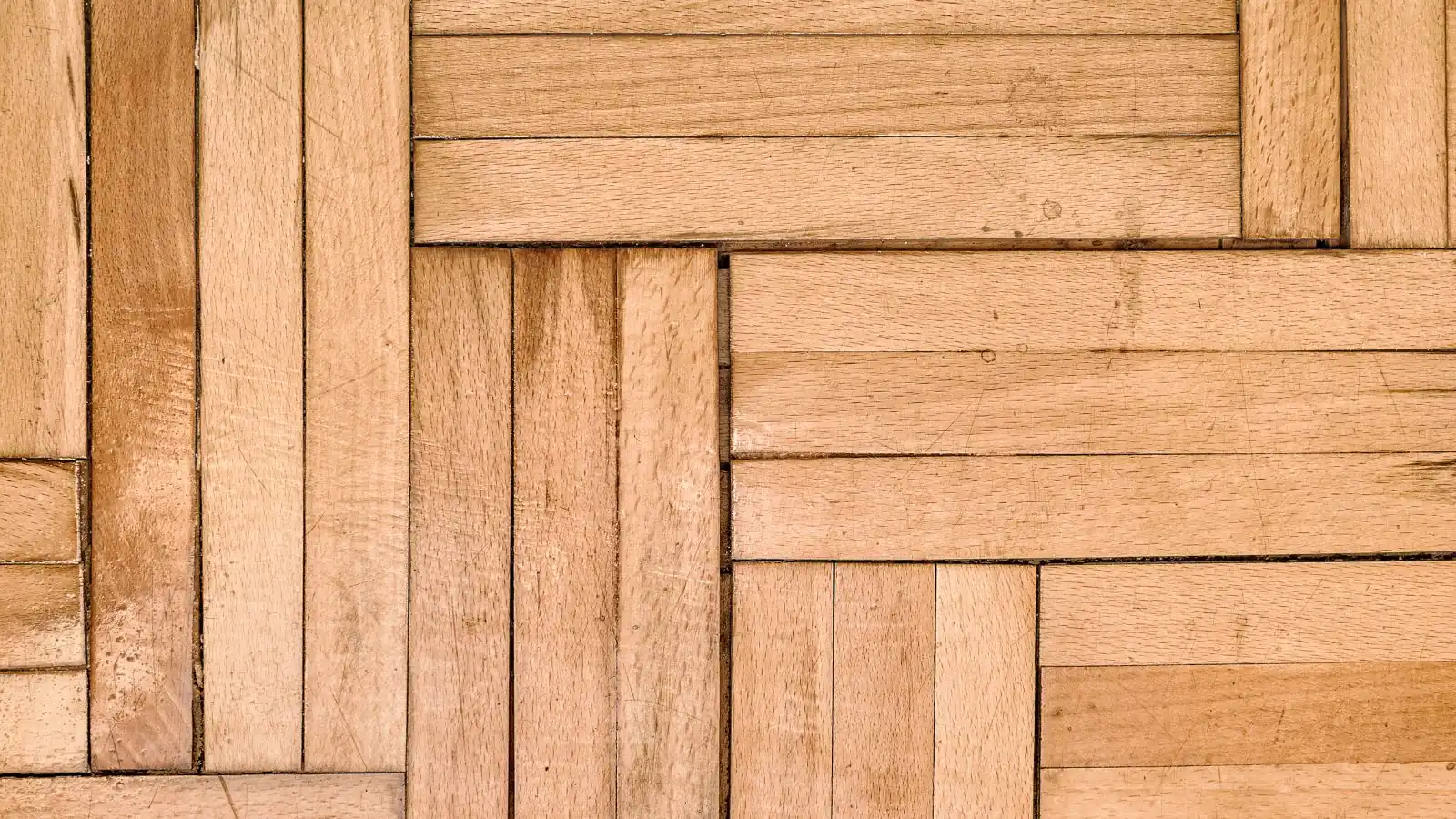
Hardwood floor water damage repair is about timing. Wood takes up water through its edges and underside, and boards cup, crown or buckle as the moisture moves through them. Some floors recover when dried correctly, while others need partial or full replacement.
This page covers solid and engineered wood and laminate flooring. Floors over a basement or crawl space are also affected by what is below, so the crew checks that too. For general drying principles, see structural drying and dehumidification.
Hardwood damage: signs and what they mean
| Sign | What it means | What to do |
|---|---|---|
| Edges higher than the center (cupping) | Moisture from below or one side | Call for moisture readings before sanding |
| Center higher than the edges (crowning) | Often follows overdrying after cupping | Have a pro check before sanding |
| Boards lifted from the subfloor (buckling) | Heavy water exposure | Call quickly because buckled boards may need replacing |
| Gaps and dark stains | Long-term or repeated moisture | Document and call for an assessment |
Cupping boards after a leak
Cupping is the most common sign. The edges of each board rise while the center sits low, and it appears when the underside of the floor is wetter than the top. A dishwasher leak, a washer valve that broke or condensate from an air handler can start it. Callers often notice it days after the water event.
Do not sand a cupped floor right away. If the boards are still wet, sanding can lock in a distorted shape. Readings decide when the floor is dry enough for any finish work.
How hardwood floors are dried
Crews use moisture meters to map which boards are wet, then dry the floor with specialized drying mats or air movers and dehumidifiers. Drying times depend on species, thickness and the finish. Some floors are dried in place, while others need a few boards removed to let air under them.
The goal is to dry the floor slowly enough to avoid cracking and fast enough to avoid further damage. Daily readings tell the crew when to adjust.
Boards cupping or lifting? Call the 24/7 line.
Call (833) 521-1033A washer valve or appliance that ran unnoticed
A common scenario is a washer valve or dishwasher line that leaked for a few days before anyone saw it. Walnut and other hardwoods drink up water quickly, and the subfloor below stays wet longer than the surface. If the leak came from an appliance, see appliance leak water damage. If condensate from an air handler caused it, see AC leak water damage.
Repair, refinish or replace
After drying, floors that flatten can often be sanded and refinished. Boards that remain cupped or crowned, or that have buckled, are replaced. Matching an older floor can be difficult, so the scope lists which boards are replaced and which are blended. Ask for a written repair scope before choosing.
Hardwood in Bayside homes
Many Bayside houses have hardwood on the main floors, and finishes vary from house to house. A floor over a basement dries differently than one over a slab. The crew asks about the subfloor and what is beneath it so the plan is not generic.
Insurance and documentation
Take dated photos of the floor and the source of the water, and keep a record of the flooring type and age. Sudden failures are often covered, while long-term moisture often is not. Ask your insurer what your policy says before sanding or replacing anything.
What the standard means for wood floors
The published restoration standard, ANSI/IICRC S500, treats wood as a material that can often be dried when it is caught early and the water is clean. It also expects drying to be verified by readings, not by appearance, since a floor that looks flat can still be wet underneath. That is why we talk about moisture readings before sanding or refinishing.
Where we serve
Hardwood floor calls are taken from Bayside and the surrounding neighborhoods.
What affects the cost of hardwood floor repair
Floors vary a lot in species, finish and size. These are the factors.
| Factor | How it changes this job |
|---|---|
| Species and finish | Dense or exotic woods and unusual finishes change the scope. |
| Area wet | Square footage sets equipment and board count. |
| Subfloor | A wet subfloor adds drying time. |
| Refinish or replace | Floors that flatten can be refinished, others are replaced. |
| Matching | Blending new boards with old takes extra work. |
Ask for the scope in writing. Your real number comes from the on-site assessment, so call (833) 521-1033 to start one.
Common questions
Will my hardwood floor flatten on its own?
Sometimes, if it is dried correctly and the moisture is gone. Readings decide when to judge the result.
Should I sand right away?
No. Sanding a floor that is still wet can lock in distortion. Wait for readings.
Can laminate or engineered wood be saved?
Often not if the core got wet. The crew can tell at the assessment.
Does insurance cover a hardwood floor?
Sudden water events are often covered. Ask your insurer about matching and refinishing.