
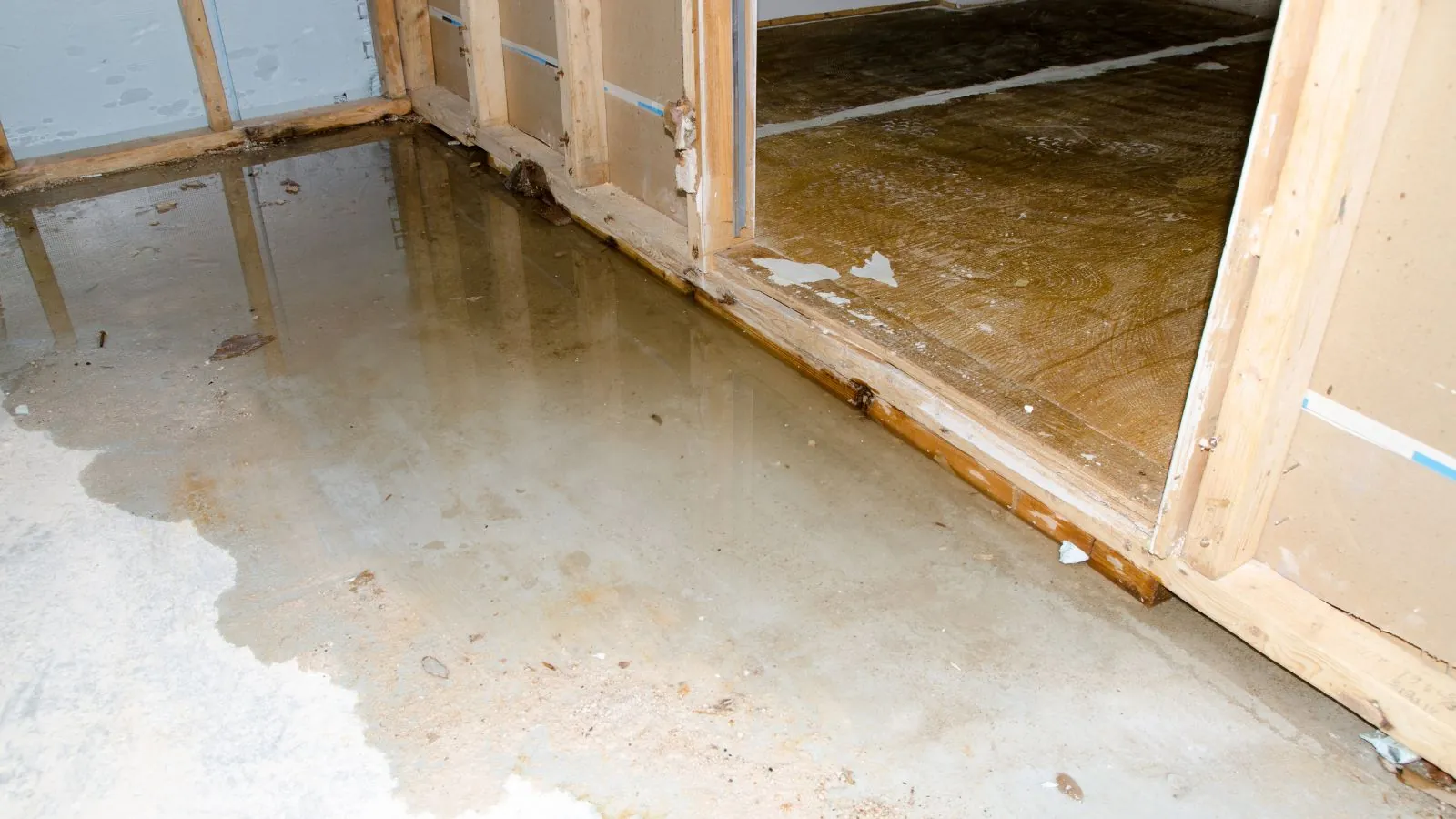
Commercial water damage restoration covers businesses, offices and multi-unit buildings where a leak affects more than one space. The work is the same as in a home, but the plan is different. Downtime, shared walls, tenants and inventory change how drying is staged.
Bayside's commercial strips, including Bell Boulevard and Northern Boulevard, mix shops, restaurants and apartments. A leak in a kitchen exhaust, a sprinkler line or a rooftop unit can reach neighbors. A good scope names who is affected and what documentation each party needs.
Commercial water loss: a quick triage
| Situation | What changes | First step |
|---|---|---|
| Water in a shop or restaurant | Inventory, equipment and customers are affected | Shut off water, protect stock, call the 24/7 line |
| Leak in a multi-unit building | Several units and the owner are involved | Notify the owner, photograph each unit, call |
| Vacant property with a major loss | No one saw it start, damage may be extensive | Shut the main, secure the property, call |
| Sprinkler or supply line failure | Large volume in a short time | Shut the main and call for extraction |
When a business water loss is an emergency
A commercial water loss is an emergency because every closed hour costs money and water spreads fast through shared walls. Shut off the water source or the building's main, cut power to wet areas if it is safe, and move inventory and records off the floor. Call 911 or the utility for electrical or gas danger. Then call the 24/7 line.
Shut the water
Close the source valve or the building main.
Protect stock
Lift inventory, paper records and electronics off wet floors.
Notify the owner
In a leased space, tell the owner and property manager.
Photograph
Record each wet area, equipment and stock before cleanup.
Planning around downtime
Commercial jobs are staged so the business can reopen as soon as the building is safe. The crew prioritizes the areas that matter most, runs drying equipment overnight where possible and gives you written steps for each area. The scope separates mitigation, drying and repair so you can approve each stage.
Water in your business? Call the 24/7 line.
Call (833) 521-1033Multi-unit buildings and shared walls
In an apartment building, water moves between units. The crew checks ceilings below and walls beside the loss, records each affected unit and works with the owner or management company. Per NYC HPD tenant guidance, tenants who cannot get a repair should contact the owner or managing agent first and document each attempt.
Large and unusual losses
Large losses, including vacant properties and sudden city water shutoffs after a very large leak, need an assessment before any estimate. The crew maps the damage, sets the drying plan and lists what the owner and insurer need to decide. For rising water, see flood damage cleanup, and for the drying itself see structural drying.
Commercial water damage along Bell and Northern Boulevards
Bell Boulevard and Northern Boulevard are busy shopping and dining areas, according to Queens Community Board 11. Buildings there often combine storefronts with apartments above, so a kitchen or sprinkler leak can reach residents. The crew confirms who is on each floor before drying starts.
Insurance and documentation
Business policies vary. Photographs, inventory lists and moisture logs help. Ask your insurer which documents it needs and when, and keep receipts for emergency steps. We never promise a claim outcome.
What to do before help arrives
In a shop, office or apartment building, the first steps protect people and the building's systems. These apply whether you are the owner, the tenant or the manager.
- Keep customers and staff away from wet floors and electrical equipment.
- Close the water shut-off for the affected area, or the building main if the source is unknown.
- Notify the property manager, the landlord and your insurer's claim line.
- Photograph the wet areas, the source and any damaged stock or equipment.
- Move inventory and records off the floor only if it is safe to do so.
Where we respond
Commercial calls come from Bayside businesses and from nearby neighborhoods.
What affects the cost of commercial restoration
Commercial scopes are written by area and by tenant. These are the factors.
| Factor | How it changes this job |
|---|---|
| Square footage | Larger areas need more equipment and more days. |
| Business hours | Staging around opening hours changes the schedule. |
| Contents | Inventory and fixtures may need pack-out and protection. |
| Multiple units | Each affected unit adds to the scope. |
| Rebuild scope | Repairs and finishes are separate lines. |
Ask for the scope in writing. Your real number comes from the on-site assessment, so call (833) 521-1033 to start one.
Common questions
Can you work while the business stays open?
Sometimes. The crew can stage drying and repair around opening hours when the building is safe. The assessment sets what is practical.
What if the leak came from a neighbor's unit?
Document the damage and notify the owner or management. We assess and dry your unit, and the scope helps sort responsibility.
Do you handle large losses?
Yes. Large or unusual losses need an assessment first, and the crew writes a scope before work starts.
What documents help my insurer?
Photos, inventory lists, moisture logs and the scope of work. Ask your insurer for its checklist.
Do you handle commercial water damage emergencies at night or on weekends in Bayside?
Yes. The line is open 24/7, including nights and weekends. A water loss after closing is the common case, so call and tell us what is wet.