
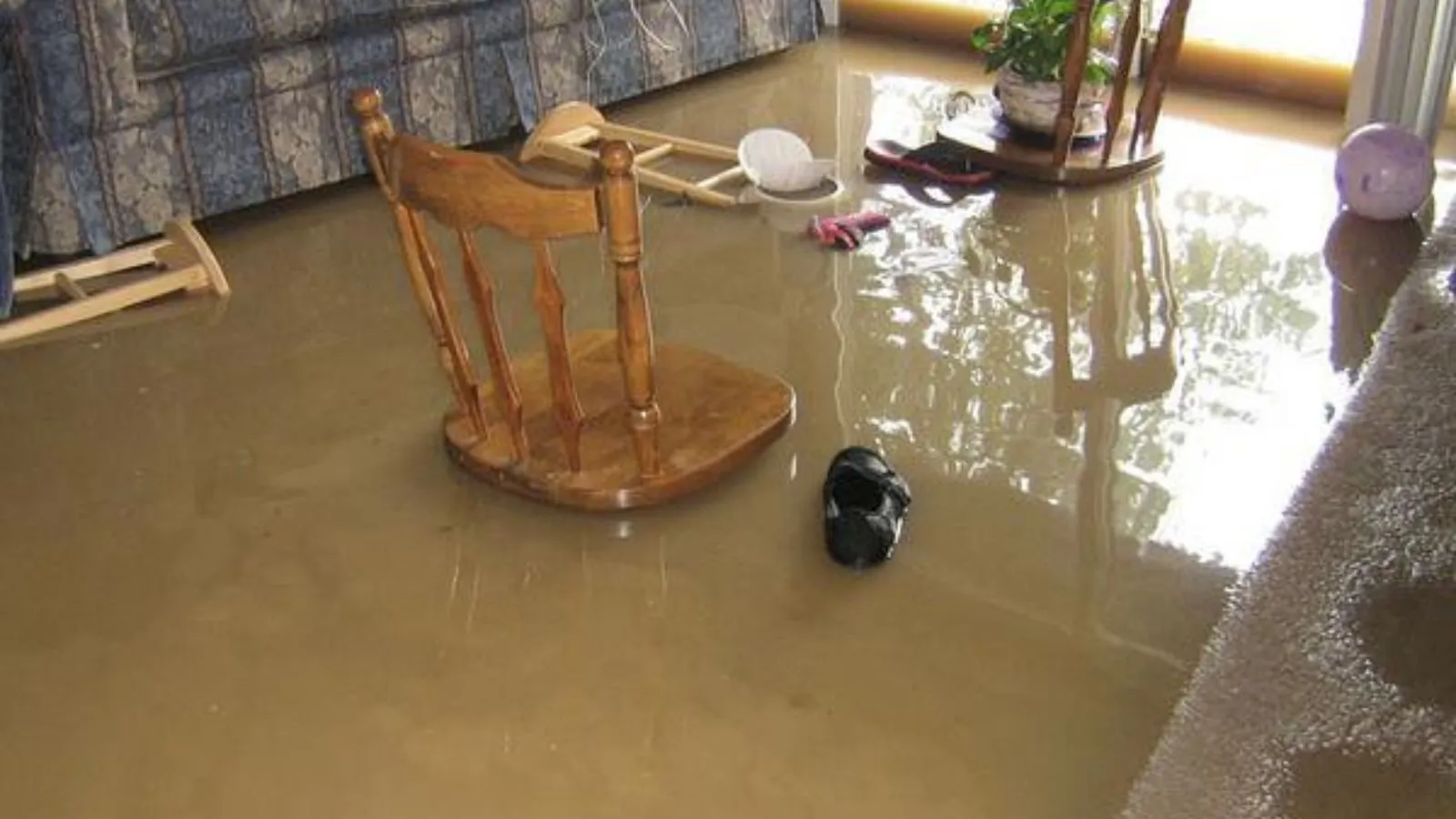
A water damage claim goes better when the paperwork is good, and the paperwork is easiest to build at the start. Photographs taken before cleanup, a list of what was damaged and a record of every call give an adjuster something to work with.
This guide walks through the steps in order. It covers documenting the loss, protecting the property from further damage, working with your insurer and keeping the restoration records straight. It is general information and does not replace your policy.
Water already inside? Call the 24/7 line.
Call (833) 521-1033Step one: stop the source and stay safe
Safety comes before paperwork. Shut off the water, stay away from wet electrical equipment and call 911 or the utility for any electrical or gas risk. Once the source is controlled, you can start recording.
Insurers expect policyholders to protect the property from further harm. That is a duty in most policies, and it is why emergency steps are usually reimbursed when they are reasonable.
Step two: photograph and video before you clean
Take wide shots of each room, then close shots of every wet or damaged item, the water line on walls, the source and the failed part. Video with a narrated walk-through is useful too. Take the photos before you move furniture, pull carpet or throw anything away, because those actions change the evidence.
Date everything. A phone stamps the file, but a short written log of what you shot and when is a good backup.
Step three: make an inventory
List damaged belongings with a description, age and approximate value. Receipts, photos and model numbers help. For electronics, note brand and model. Keep damaged items until the claim is settled unless they are unsafe. If something has to go for health reasons, photograph it first.
Need help with wet materials? Call the 24/7 line.
Call (833) 521-1033Step four: keep emergency receipts and limit repairs
Keep receipts for emergency work such as extraction, drying and board-up. Limit repairs to what is needed for health or safety, such as removing waterlogged drywall. Permanent repairs should wait until your insurer has inspected. Our written scope separates mitigation from rebuild so that this line is clear.
A documentation checklist
| Document | Why it helps | How to keep it |
|---|---|---|
| Photos and video | Show the condition before cleanup | Back up to cloud storage that day |
| Inventory list | Supports the personal property portion | Spreadsheet or notes with receipts |
| Receipts | Support reimbursement for emergency steps | Paper and photo copies |
| Moisture and drying logs | Show the extent and the dry result | Ask the restoration company for copies |
| Call log | Records who said what and when | A notebook or phone note |
Step five: work with the adjuster
Report the loss as soon as possible and ask what the insurer needs. Give the adjuster access, share your photographs and logs and ask for the timeline in writing. If a restoration company's scope differs from the insurer's, ask the insurer to explain the difference line by line. Our ceiling water damage repair and wall repair pages show how a scope breaks out.
A sample first day, hour by hour
In the first hour, you stop the source if you can do so safely, make the area safe and call for help. In the second hour, you take wide photos and close ups before moving anything, and you call your insurer or agent to report the loss. In the third hour, you start the inventory and note any items that must be removed for safety.
By the end of the day, the claim number should be written down, the emergency work arranged and your photos backed up. Ask the insurer what they need next and when an adjuster will visit. Writing the answers in your log keeps the timeline straight.
- Save a copy of every email and text with the insurer and the landlord or building.
- Ask for the adjuster's name and phone number.
- Do not sign a final release or accept a settlement until you understand what it covers.
Guidance from New York State
According to the guidelines of the New York State Department of Financial Services, policyholders should document losses before cleaning anything up, prepare a detailed inventory with proof of value and keep a written record of conversations with the insurer. It says to file as soon as possible and states that property owners must protect their property from further damage after a loss.
The Department also advises limiting repairs to those needed for health or safety, keeping receipts and not making permanent repairs until the insurer has inspected. If your home is a co-op or condo unit in the Bayside Hills area or elsewhere, tell your managing agent early so the building's insurer is in the loop too.
Common questions
How soon do I need to file a claim?
The New York State Department of Financial Services says to file as soon as possible. Your policy may set a specific deadline, so read it.
Can I start repairs before the adjuster comes?
Only emergency repairs needed for safety or to prevent more damage. Keep receipts and hold permanent repairs until the insurer has inspected.
Should I throw out wet belongings?
Not before photographing and listing them, unless they are unsafe. Keep damaged items until the claim is settled when you can.
Should I tell my co-op board before filing?
Tell the managing agent early, because leaks often involve building systems and the building's insurer may be involved. Check your documents and consider asking an attorney.