
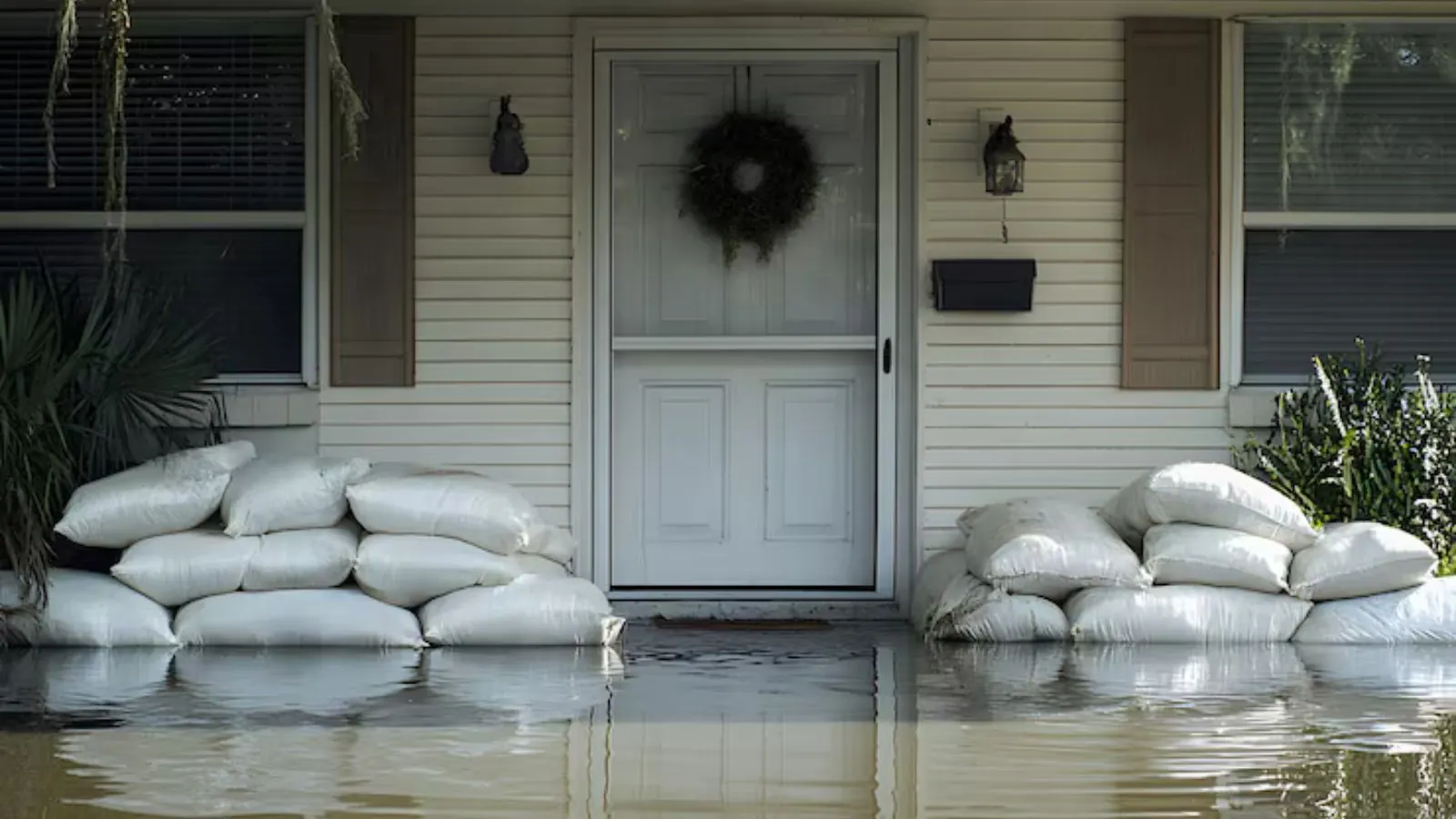
If your house has had a leak, a backup or a flood, you have probably wondered how that history affects a sale. The short answer is that past water damage is common, buyers and inspectors know it, and the way you handle it matters more than the fact that it happened.
This guide explains how New York's disclosure process works, what records are worth keeping and how restoration paperwork can help. It is general information and not legal advice. A real estate attorney can tell you what applies to your sale.
Water already inside? Call the 24/7 line.
Call (833) 521-1033The disclosure form, in plain terms
New York's Property Condition Disclosure Act requires most sellers of one to four family residential property to either deliver a Property Condition Disclosure Statement to the buyer or give the buyer a credit at closing. The form asks about many conditions, including water and moisture topics such as flooding, drainage, leaks and basement dampness.
The form is a statement of what the seller knows. It is not a warranty and not a substitute for an inspection. But answers are expected to be honest, and a seller who knows about a problem is in a better position when the answer is accurate.
Why records matter more than memory
Buyers worry less about a leak that was found, fixed and documented than about one nobody can explain. A short file with the date, the cause, the repair and the drying records answers most questions before they are asked. Keep it with the house papers.
A good file has the plumber's invoice for the repair, the restoration company's scope and moisture logs showing a dry result, photos of the finished work and any insurance paperwork you are comfortable sharing.
What to keep from a water loss
| Record | What it shows | Who usually has it |
|---|---|---|
| Plumber invoice | The cause was found and repaired | You and the plumber |
| Restoration scope and moisture logs | What was dried or removed and the final readings | The restoration company |
| Photos before and after | Condition and quality of repair | You |
| Permits or notices, where required | Work was done within city rules | Contractor or you |
| Insurance claim documents | The loss and the settlement | You and the insurer |
Unrepaired damage
If damage is still there, you have two honest paths. Repair before listing and keep the records, or disclose it and sell as is, with pricing and terms that reflect the condition. Painting over a stain and hoping nobody notices is the path that creates trouble, because an inspector with a moisture meter can tell the difference, and a buyer who finds a concealed problem later may take action.
Need help with wet materials? Call the 24/7 line.
Call (833) 521-1033Prepare for the inspector
Buyers' inspectors check basements, ceilings under bathrooms, around windows and near water heaters. If those areas have had water, expect questions. Have the record ready, make sure there is no active moisture and fix small things like failed caulk. For past events, our pages on basement cleanup and ceiling repair show how a documented repair looks.
Insurance claims and the sale
Claims history can come up in a buyer's insurance quote, so it is worth knowing what is in your file. We do not give insurance advice, and any questions about how a past claim affects a sale are answered by your agent, your insurer and your attorney.
Talking to buyers about a repaired leak
When a buyer asks about a past leak, a calm and specific answer works better than a vague one. Say what happened, when it was found, who repaired it and what records you have. Offer to share the plumber's invoice and the drying records. A buyer who sees paper tends to ask fewer follow up questions than one who hears a general reassurance.
Do not guess about things you do not know. If the leak happened before you owned the house, say so and say what you do know. Your attorney can help you word the disclosure form accurately.
Fix, disclose or both
In practice, many sellers do both. They repair the cause, dry the structure, keep the records and answer the disclosure form accurately, mentioning that the problem was repaired and when. That approach gives a buyer less to wonder about, and it gives an inspector a story that matches what the meter shows. Your attorney can help you word the answers.
The New York form and the credit
The New York State Department of State publishes the Property Condition Disclosure Statement form and describes, according to its guidance, the law's option of a credit to the buyer at closing instead of delivering the form. The credit amount is set by the statute, so check the Department of State's current guidance rather than relying on a number you saw years ago.
Many Bayside homes are co-ops or condos, such as those in Bay Terrace, where the sale follows the building's board process and package requirements rather than the one to four family form. Ask your attorney and the managing agent what applies.
Common questions
Do I have to disclose past water damage in New York?
Most sellers of one to four family homes either deliver the Property Condition Disclosure Statement or give a credit at closing. The form asks about water issues, so answer it honestly. An attorney can advise on your situation.
Does repaired damage hurt my sale?
A documented repair usually raises fewer questions than unexplained stains. Keep the plumber and restoration records.
Should I paint over a stain before listing?
Fix the cause first. Covering a stain without fixing moisture can create bigger problems if an inspector finds it.
Does this apply to a co-op sale?
Co-ops follow board and package rules instead of the one to four family form. Ask your attorney and managing agent.