
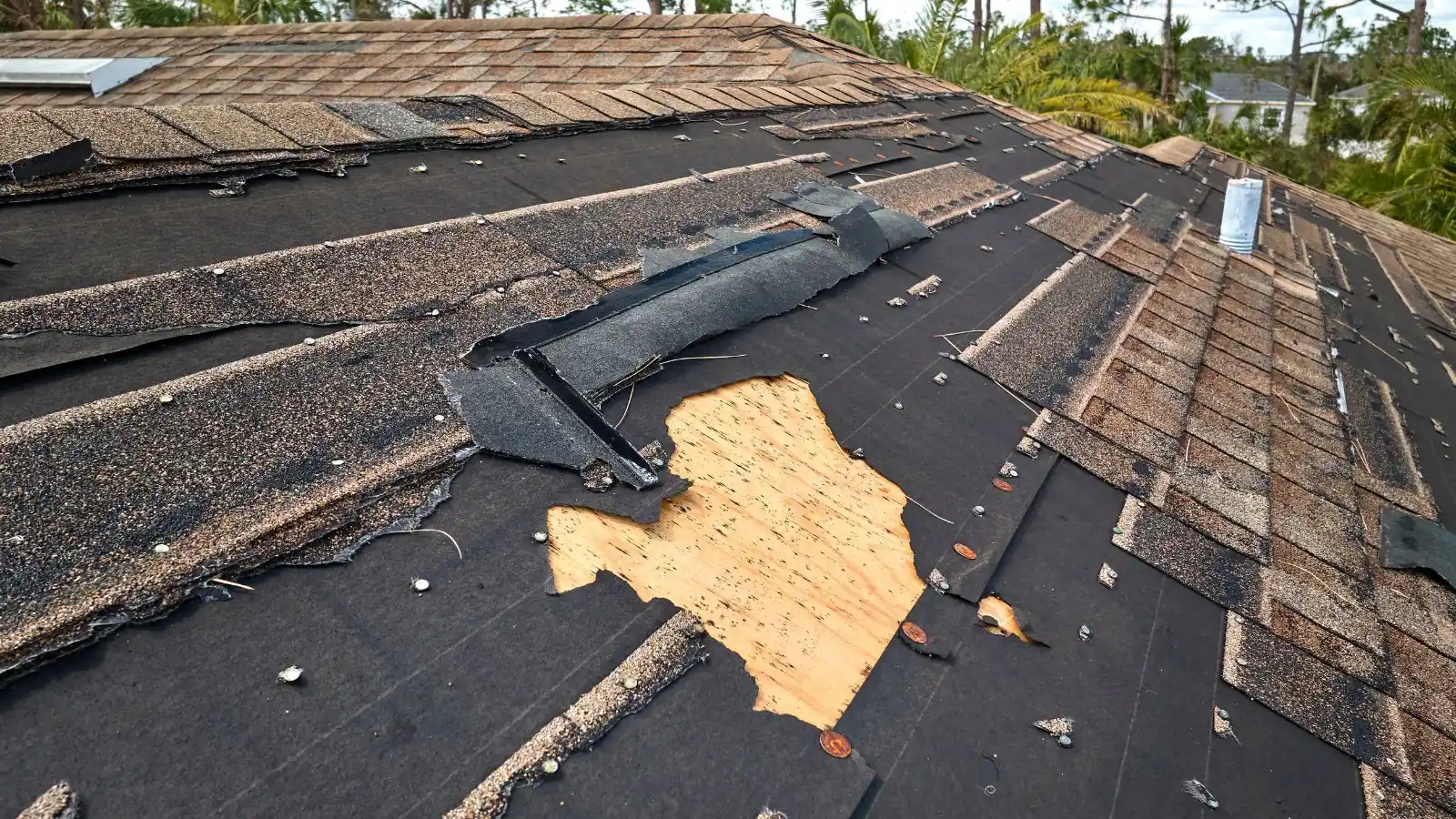
Storms rarely cause water damage in a way that is mysterious. Water finds a gap in the roof, a clogged gutter, a window seal, a failed sump pump or a low spot where the ground slopes toward the house. Nearly every one of those can be looked at before the weather turns.
This guide is a preparation list for Bayside homes and apartments. It covers the outside of the building, the inside, the paperwork and a simple plan for the day a storm is forecast. It is general information, and the people who know your building are you, your super and your managing agent.
Water already inside? Call the 24/7 line.
Call (833) 521-1033Outside the building
- Look at the roof for lifted, cracked or missing shingles and for worn flashing around chimneys and vents.
- Clear gutters and downspouts, and make sure downspouts discharge away from the foundation.
- Check that the ground slopes away from the house and that nothing blocks drainage paths.
- Look at window and door seals, especially on the side that faces the weather.
- Trim branches that overhang the roof, and remove loose objects that wind can throw.
Inside the building
- Test a sump pump, if you have one, by pouring a bucket of water into the pit and watching it run and discharge.
- Know where the main water shut-off is and make sure it turns.
- Move valuables and papers off basement floors and onto shelves or into sealed containers.
- Check the ceiling under bathrooms and on top floors for stains that suggest a slow leak.
- Keep a flashlight, a phone charger and a battery radio where you can find them.
Different kinds of storm water
| Source | How it enters | What it is treated as |
|---|---|---|
| Wind-driven rain | Through roofs, windows and doors | Storm damage, often from above |
| Surface runoff | Over the ground into doors and window wells | Flood damage |
| Rising groundwater | Up through floors and walls | Flood damage |
| Sewer or drain backup | Up through floor drains and fixtures | Contaminated water, not clean |
Why the source matters
Wind-driven rain, flood and sewer backup are not handled the same way, and they are often not covered the same way by insurance. The source also decides whether materials can be dried or have to be removed. See storm water damage cleanup for rain that enters from above and flood damage cleanup for water that comes in at ground level. If the water is sewage, the work is different again, as in sewage backup cleanup.
Need help with wet materials? Call the 24/7 line.
Call (833) 521-1033The paperwork
Before a storm, photograph each room and the exterior so you have a before record. Know what your policy says about flood and back-up. Keep a copy of the policy, your agent's number and a list of valuables in a place that is not in the basement. A few minutes of preparation makes a claim easier to document later.
When a storm is forecast
- Charge phones and check your evacuation zone.
- Bring in or tie down outdoor furniture and bins.
- Move belongings off low floors.
- Know where the shut-off valves are, and the power panel too.
- Keep the restoration and plumber numbers on your phone and on paper.
After the storm
Stay out of standing water that might touch electrical sources. Photograph before you clean. Call for water removal as soon as the area is safe, because wet drywall, pad and insulation start to degrade quickly. Do not run household vacuums on standing water.
If you live in an apartment
Tenants and co-op owners cannot fix the roof, but they can prepare. Check your windows and balcony doors for seals that no longer close tightly. Keep towels near doors that leak in driven rain. Move valuables away from exterior walls and from the floor under the ceiling of the top story, where roof leaks first show up.
Tell the super or managing agent about stains or drips before the storm, not after. A written note with a photo puts the condition on record and makes it more likely that someone will look at the roof or the drains.
Prepare a small go kit
Put a flashlight, batteries, a phone charger, copies of your insurance documents, a list of contacts and a few trash bags in a bin on a high shelf. Add work gloves and boots for cleanup. If you have to leave quickly, the bin and your medications are the things to take. A few minutes of packing on a calm day saves a scramble on a stormy night.
Hurricane season and city alerts
NYC Emergency Management says the Atlantic hurricane season runs from June 1 to November 30 and publishes a hurricane evacuation zone finder, where zones are numbered 1 through 6. It states that evacuation zones are not the same as FEMA flood zones. The agency also runs Notify NYC, the city's emergency alert system, and residents can sign up for alerts by text or email.
Bayside has bayfront edges along Little Neck Bay, such as around Bay Terrace, and higher ground inland. Find your own address on the city's maps instead of assuming your zone from the neighborhood.
Common questions
When is hurricane season in New York?
NYC Emergency Management says the Atlantic hurricane season runs from June 1 to November 30.
How do I find my evacuation zone?
Use NYC Emergency Management's hurricane evacuation zone finder with your address. Zones run from 1 to 6, and the agency says they are not the same as FEMA flood zones.
Should I buy flood insurance?
Standard homeowners and renters policies typically do not cover flood. Ask your agent about a separate policy and check the city's flood maps for your address.
Who do I call when water is already inside?
Close the main if a pipe is involved, stay safe around electricity and call the 24/7 line for water removal.